Recognizing the Significance of Quality Repiping Solutions for Lasting Plumbing Solutions
Quality repiping services play a vital duty in preserving a home's pipes system. They resolve issues like leaks and deterioration while enhancing efficiency and durability. House owners usually ignore the long-term advantages of professional repiping. By comprehending the signs that show a need for repiping, one can make educated choices. Checking out the numerous aspects of repiping can expose crucial understandings that might influence future plumbing investments. What elements should be taken into consideration when selecting repiping solutions?
Signs You Need Repiping
Usually, house owners might neglect refined indications that their pipes system needs repiping - Repipe Pros. One of the most common signs is frequent leakages or water discolorations on wall surfaces and ceilings, recommending aging pipelines that might no longer be trusted. In addition, if water stress comes to be irregular, it might suggest rust or blockages within the plumbing system. Homeowners ought to likewise be alert to discoloration in tap water, which might signal corrosion or impurities from degrading pipelines. Undesirable odors rising from the plumbing can better recommend underlying concerns. Another essential element is the age of the pipes system; homes developed over 50 years earlier frequently utilize obsolete materials prone to failing. If several fixtures experience problems concurrently, it is a strong indication that repiping might be needed. Acknowledging these signs can aid home owners address plumbing issues prior to they intensify into even more substantial issues
Benefits of Specialist Repiping Services
Resolving the signs that show a requirement for repiping can lead homeowners to consider the benefits of professional repiping solutions. One substantial benefit is the guarantee of top notch workmanship. Professionals possess the competence to identify underlying pipes issues, ensuring a detailed option as opposed to a temporary repair. Furthermore, professional solutions frequently feature warranties, supplying home owners peace of mind regarding future repair services.
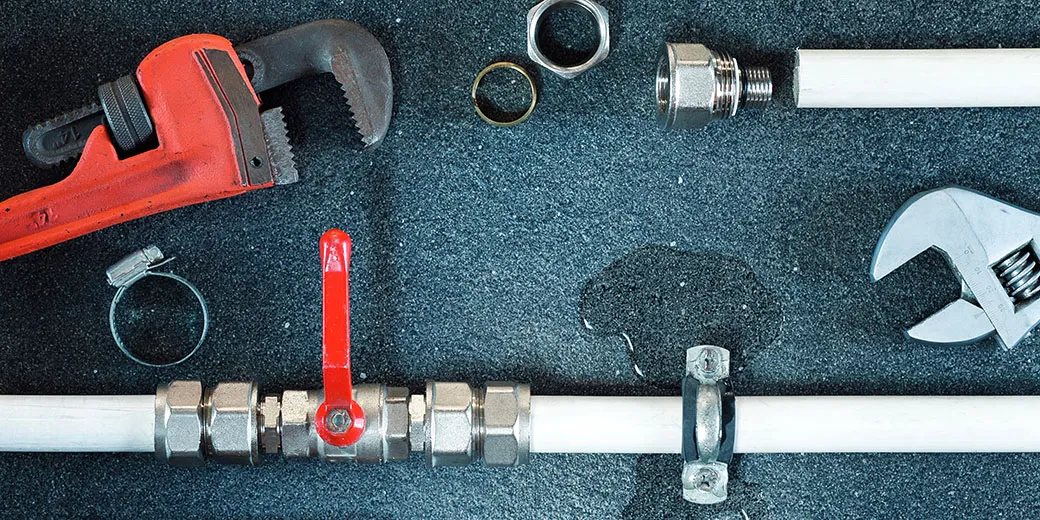
Additionally, professionals utilize advanced tools and strategies, which can expedite the repiping procedure while decreasing disturbance to the house. This performance not just conserves time yet additionally reduces the likelihood of extra damage during the repiping process. Additionally, by using qualified and insured professionals, home owners can mitigate risks associated with DIY efforts, such as prospective code offenses or additional plumbing complications.
Eventually, investing in specialist repiping services can improve a home's plumbing system, causing improved water top quality and a reduction in future pipes issues. Repiping.
Choosing the Right Products for Repiping
When picking materials for repiping, home owners typically consider the benefits of copper versus PEX. Expense considerations play a considerable duty in the decision-making process, together with variables related to longevity and toughness. Comprehending these components can help ensure a long-term and successful repiping job.
Copper vs. PEX Contrast
Picking the best products for repiping is essential, as it can greatly influence the longevity and effectiveness of a pipes system. When contrasting copper and PEX, both products supply unique advantages. Copper pipes are known for their resilience, resistance to deterioration, and capacity to withstand heats. They likewise have a long life expectancy, commonly going beyond 50 years. Copper can be a lot more costly and needs soldering for setup, which may enhance labor expenses.
On the other hand, PEX (cross-linked polyethylene) is lightweight, flexible, and simpler to set up, typically causing reduced labor prices. PEX is immune to range and chlorine, and it doesn't rust. Ultimately, the choice in between copper and PEX depends upon specific pipes demands and preferences for sturdiness and installment techniques.
Cost Considerations
Cost factors to consider play a necessary role in the decision-making process for repiping projects. Home owners have to review different material options, as each features distinctive cost points and installation prices. Copper, recognized for its long life, commonly sustains higher costs due to product and labor demands. Conversely, PEX offers a cost-effective choice with much easier installation, often lowering labor expenses. It's important for homeowners to analyze not just the initial investment yet likewise possible long-lasting financial savings in repair and maintenance. Additionally, regional building ordinance and guidelines might influence product selections, affecting total budget. Consequently, an extensive contrast of material expenses, installment intricacies, and future ramifications is essential for choosing one of the most appropriate choice for repiping demands.
Longevity and Toughness Factors
Selecting the ideal products for repiping is essential, as the longevity and toughness of the pipes system directly affect the general performance and upkeep costs. Common materials include copper, PEX, and CPVC, each offering unique advantages. Copper is renowned for its durability and resistance to deterioration, while PEX is adaptable, immune to freezing, and much less vulnerable to leakages, making it ideal for various setups. CPVC, on the various other hand, is cost-efficient and immune to chemicals yet might not withstand heats in addition to copper. Eventually, the option of product must take into consideration variables such as water top quality, neighborhood environment, and certain pipes requirements. A knowledgeable decision can considerably improve the life expectancy of the plumbing system, bring about fewer repair work and lower long-term expenditures.
The Repiping Refine Explained
When a house owner makes a decision to repipe their property, recognizing the procedure can help reduce concerns and assure a smoother click here for more info experience. The repiping procedure normally begins with an extensive assessment, enabling professionals to assess the existing pipes system's condition and identify locations needing attention. Following this evaluation, the team reviews the very best products and methods fit for the home.
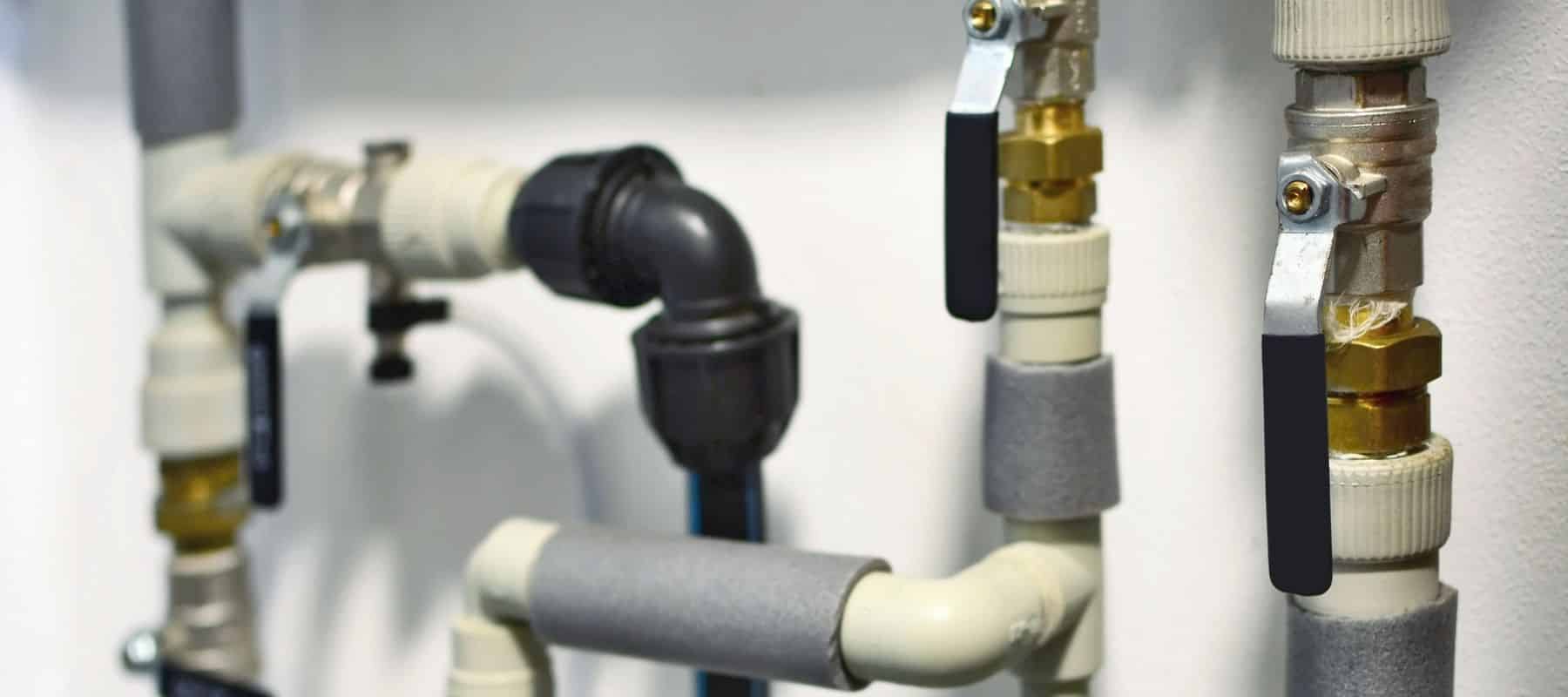
Once the house owner approves the plan, professionals prepare the site by securing furniture and flooring. The real repiping job entails getting rid of old pipes and installing new ones, which may include copper, PEX, or PVC products. Throughout this phase, plumbing professionals ascertain the system's design optimizes performance and minimizes potential problems. After setup, extensive screening is performed to validate that every little thing functions correctly, complied with by recovering the website to its initial condition. This meticulous method ensures a trusted plumbing system that meets modern standards and significantly minimizes future fixing needs.
Cost Considerations for Repiping
When considering repiping, it is vital to examine the preliminary financial investment required for the project. Property owners ought to also review the prospective long-lasting savings that can occur from decreased water costs and less maintenance expenses. Understanding these monetary facets can help in making an informed decision about whether to wage repiping.
Initial Financial Investment Analysis
Repiping a home can stand for a substantial financial dedication, necessitating cautious evaluation of linked costs. Home owners ought to consider different elements that add to the overall expenditure of repiping, including product selections, labor expenses, and the intricacy of the plumbing system. Usual materials such as copper, PEX, and PVC each included different rate points and installment obstacles. In addition, labor expenses can differ based on the specialist's know-how and local market rates. It is likewise important to represent any type of essential permits or examinations, which can add to the preliminary financial investment. By extensively evaluating these expense elements, property owners can make enlightened choices and far better plan for the monetary implications of repiping their home.

Long-term Savings Prospective
Although the in advance costs of repiping can be considerable, the long-lasting cost savings potential typically makes it a beneficial investment for homeowners. By replacing outdated pipes, property owners can considerably reduce the risk of leaks and water damage, which can bring about pricey fixings. New piping products are commonly a lot more resistant and resilient to deterioration, decreasing upkeep costs in time. Additionally, contemporary plumbing systems enhance water flow effectiveness, possibly reducing water expenses. Energy efficiency may additionally boost, leading to lowered heating prices for warm water. Ultimately, while the preliminary cost may be high, the long life and integrity of quality repiping solutions can result in economic cost savings and tranquility of mind for property owners over time.
Preserving Your New Plumbing System
To ensure the long life and efficiency of a freshly set up plumbing system, regular upkeep is important. Property owners must set up regular inspections to determine potential problems prior to they rise. This includes monitoring for leakages, corrosion, and blockages, which can endanger the system's stability.
Furthermore, flushing the system regularly assists get rid of debris buildup, advertising optimal water circulation. It is additionally recommended to keep an eye on water stress, as extreme pressure can worry fittings and pipes, causing early failing.
Using high-quality components and parts can boost longevity, yet they call for interest. Homeowners should be cautious concerning indicators of wear, such as unusual noises or water staining.
Engaging expert pipes services for maintenance jobs guarantees that any type of necessary repair work are conducted with proficiency, ultimately protecting the investment in a brand-new plumbing system and advertising its efficiency over the years.
Regularly Asked Inquiries
Just how Lengthy Does a Typical Repiping Job Require To Total?
A regular repiping job generally takes between one to 5 days to finish, depending upon the dimension of the building, intricacy of the plumbing system, and the details materials utilized throughout the repiping process.
Will Repiping Impact My Water Stress?
Repiping can improve water pressure by changing old, corroded pipes that limit circulation. Repiping. In some situations, if not effectively sized or installed, it may briefly lower water pressure up until changes are made.
Can I Remain In My Home During Repiping?
Commonly, house owners can remain in their homes throughout repiping, though disruptions may happen. It is suggested to get ready for temporary water failures and limitation accessibility to particular Learn More Here locations to guarantee safety review and efficiency during the procedure.
Exist Warranties for Repiping Services?
Yes, lots of repiping solutions supply guarantees that cover craftsmanship and products. The specifics, consisting of period and protection details, can vary by company, so it is a good idea to ask directly for complete details prior to proceeding.
Exactly how Typically Should I Think About Repiping My Home?
House owners need to consider repiping every 20 to 50 years, depending upon pipeline product, water, and condition high quality. Routine evaluations can help recognize problems, triggering repiping sooner if leaks, rust, or other significant troubles develop.
Quality repiping solutions play a crucial function in preserving a home's plumbing system. Discovering the numerous facets of repiping can expose crucial understandings that may impact future plumbing investments. Choosing the appropriate materials for repiping is necessary, as it can substantially influence the long life and performance of a pipes system. Choosing the right products for repiping is crucial, as the durability and toughness of the plumbing system straight impact the general performance and upkeep expenses. House owners need to take into consideration different aspects that contribute to the overall expenditure of repiping, consisting of product options, labor prices, and the complexity of the plumbing system.